What Is Alternative Energy? Understanding Its Types, Benefits, and Importance Today
In the future, fossil fuels – which are at the core of global energy production – will eventually be depleted. As a result, the search for alternative energy has become a major focus for experts worldwide. This article presents the meaning, types, and benefits of alternative energy, as outlined below.
What Is Alternative Energy and How Can It Be Used Most Effectively?
Alternative energy refers to naturally occurring energy sources with high potential that can be used to replace fossil fuels (coal, oil, and natural gas) without limitation. Examples include solar energy, wind energy, biomass energy, geothermal energy, and others. In general, the operation of alternative energy can be divided into two main forms:
- Direct use of energy, such as food preservation using solar energy, grain grinding powered by wind turbines, and lighting fires using solar energy.
- Conversion of energy into electricity, such as electricity generation from solar panels and wind turbines.
How Is Alternative Energy Different from Renewable Energy and Clean Energy?
Alternative energy refers to any energy source used to replace fossil fuels, which can come from various sources and be utilized in different ways. In contrast, renewable energy refers to energy sources that do not run out and can be continuously replenished.
For example, nuclear energy is considered alternative energy but not renewable energy, while solar energy and biomass energy are both alternative and renewable energy sources.
Clean energy, on the other hand, refers to energy that does not cause pollution or generate greenhouse gas emissions throughout all stages of production, such as nuclear energy, solar energy, and wind energy.
How Many Types of Alternative Energy Are There?
Alternative energy can be divided into two main categories: non-renewable and renewable. Each type has distinct characteristics, as follows:
1. Non-Renewable Alternative Energy
Non-renewable alternative energy refers to energy sources that are limited in supply, are depleted once used, and cannot be regenerated; or if regeneration is possible, it requires an extremely long period of time. These include:
- Coal has been one of the world’s most important energy sources since ancient times and is classified as a fossil fuel that is gradually being depleted due to its limited reserves. Moreover, the combustion of coal to generate energy releases large amounts of carbon dioxide and toxic substances.
- Natural gas is an energy source derived from limited natural reserves. The processes of extraction and combustion release significant amounts of carbon dioxide, which adversely impact the environment, particularly through methane gas leaks.
- Nuclear energy is generated through the process of “fission,” which involves splitting uranium or plutonium atoms. Nuclear energy can produce large amounts of power; however, it poses risks related to nuclear waste management as well as the potential for severe, large-scale accidents.
- Oil shale and tar sands are fossil energy sources obtained by extracting oil from sand and shale rock. The extraction process requires large amounts of energy and water and also releases pollutants that negatively affect the environment.
2. Renewable Alternative Energy
Renewable alternative energy refers to energy sources that naturally exist and can be used without limitation. These energy sources will never be depleted and can be continuously regenerated; they include:
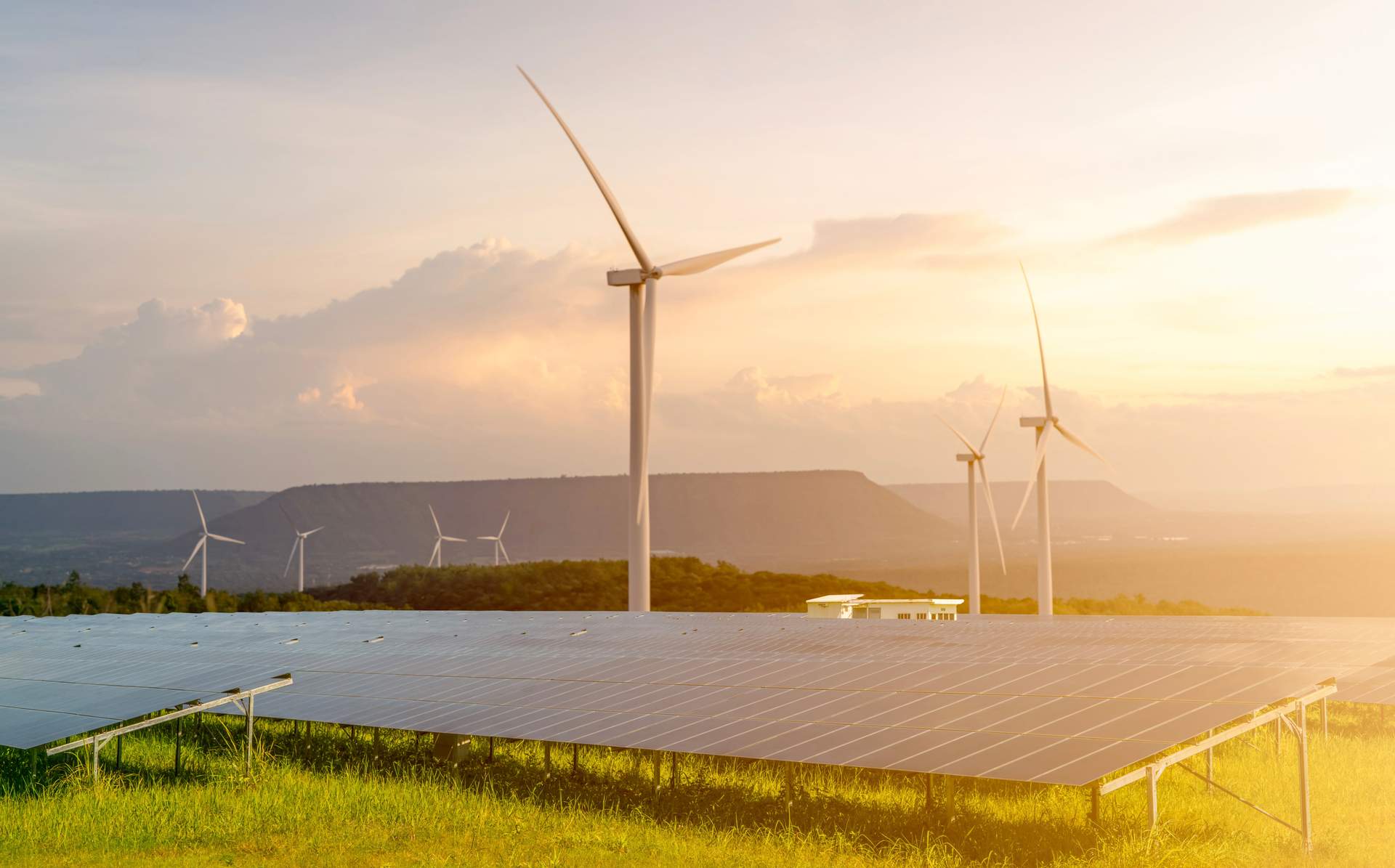
- Solar energy involves converting sunlight into electricity through the use of solar panels. Solar energy is an excellent and highly beneficial option for humanity, as sunlight is inexhaustible and its utilization does not cause environmental harm.
- Wind energy converts the kinetic energy of wind into electricity using wind turbines. Areas with strong winds are ideal for generating large amounts of electricity. The advantages of wind energy include being clean, low-cost, and renewable, with the ability to be used continuously.
- Hydropower uses the energy from flowing water to drive turbines for electricity generation. Hydropower is therefore another clean energy source that can be continuously regenerated.
- Biomass energy involves managing agricultural waste, known as biomass, and converting it into energy through combustion or fermentation to produce biogas. This process is considered a form of sustainable energy generation.
- Geothermal energy utilizes heat from beneath the Earth’s surface to generate electricity. This type of energy is highly stable, independent of weather conditions, and available at all times. Geothermal energy sources are typically found in volcanic regions and areas with high underground heat.
- Hydrogen energy involves producing hydrogen for use as fuel in fuel cells to generate electricity. Hydrogen is produced by splitting water through electrolysis or other chemical processes. Hydrogen energy is considered clean energy because its production process does not generate pollutants.
Alternative Energy in the Industrial Sector: Driving Businesses Toward Sustainability
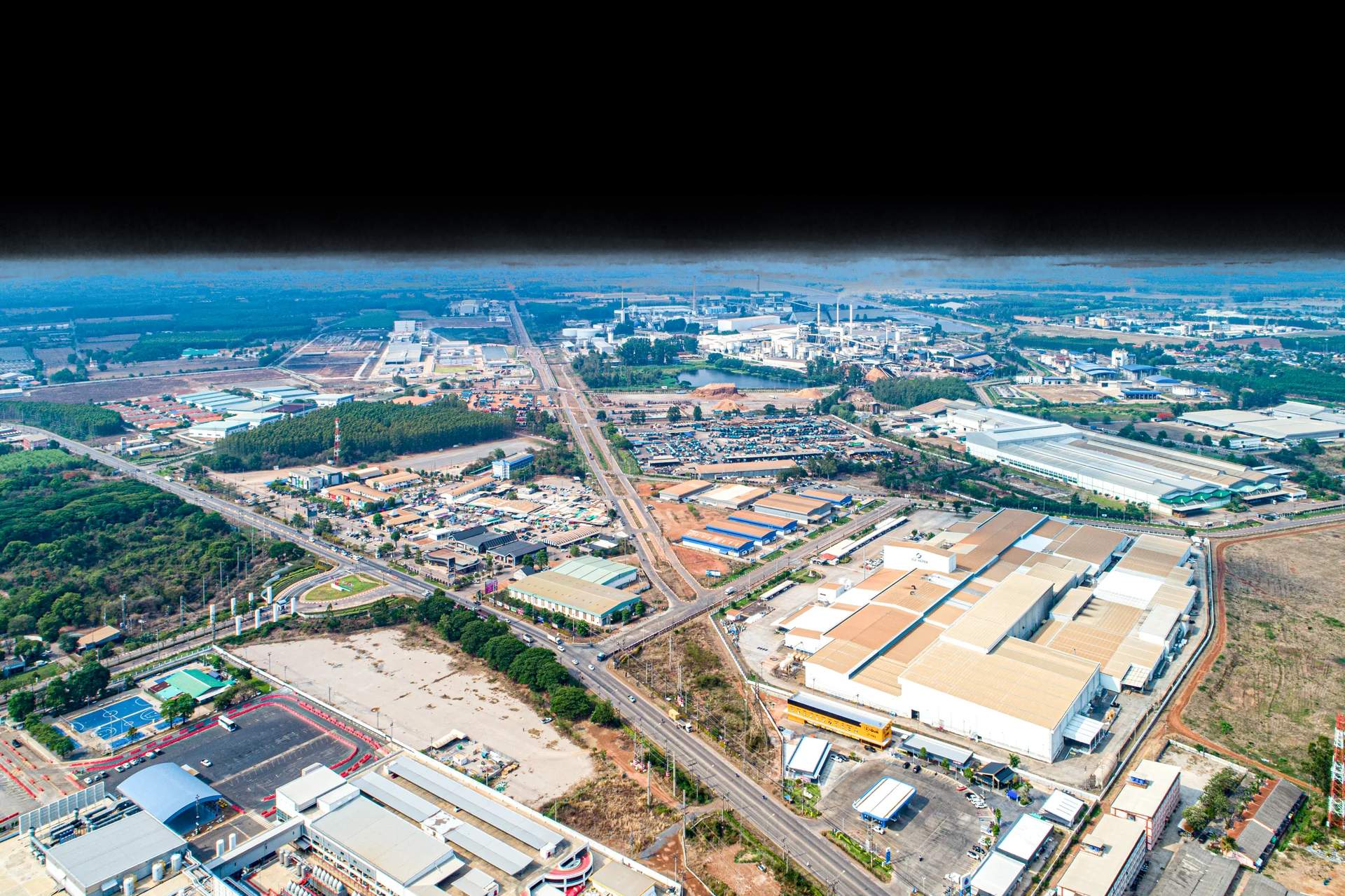
Alternative energy plays a significant role in today’s and future industrial sectors. 304 Industrial Park is the only service provider in Thailand offering a hybrid renewable energy solution that combines floating solar power and biomass energy, with a total generation capacity of up to 555 megawatts, supported by fully ready infrastructure.
- Thailand’s largest biomass power plant, with a total generation capacity of 398 megawatts, certified by I-REC.
- High-pressure green steam energy services supplied directly from the biomass power plant within 304 Industrial Park to specially designated areas for customers requiring steam energy.
- Floating solar power plants on reservoirs within the industrial park, covering more than 2,000 rai, with a generation capacity of 157 megawatts, capable of reducing CO₂ emissions by up to 100%.
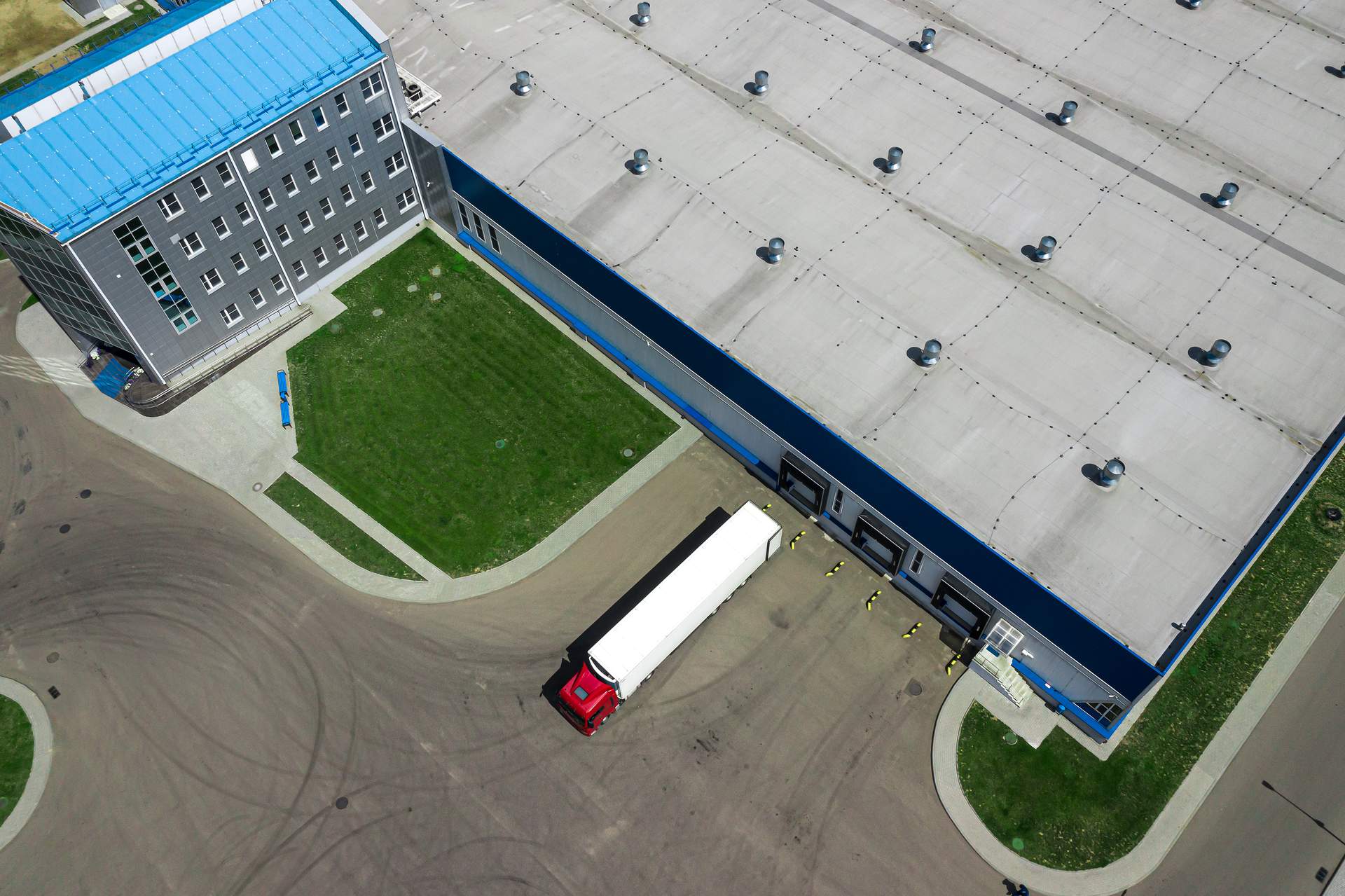
- Green logistics services using more than 200 electric trucks, powered by solar energy with battery-swapping systems that eliminate charging wait times, enabling fast and continuous transportation while reducing CO₂ emissions by up to 99%.
304 Industrial Park supports the use of renewable alternative energy across all industrial projects. In addition to energy services, our utilities also include industrial water supply from on-site reservoirs with a total capacity exceeding 40 million cubic meters, utilizing renewable energy in both pumping and production systems. These efforts actively drive businesses toward achieving Carbon Neutrality.
Alternative energy is not only an environmentally friendly option but also helps reduce industrial operating costs, enhance competitiveness, and promote sustainable business growth.
Comprehensive Investment for Stable Growth
304 Industrial Park is fully equipped with comprehensive utilities, particularly key infrastructure such as more than 10 power plants within the area. These facilities ensure sufficient energy supply even for large-scale industries with high electricity demand, such as S-Curve industries, while fully supporting long-term investment and sustainable business expansion.
Related News & Media


304 Industrial Park
Creating a future-ready ecosystem for businesses, with green energy, complete facilities, and global connectivity.
Contact Us