Getting to Know the Solar Rooftop: What Is It and Why Is It Important for Businesses?
The Solar Rooftop is an increasingly popular option for both households and the industrial sector. It involves converting solar energy, a natural energy source, into electricity. In this article, we will provide a deeper understanding of Solar Rooftops and the advantages that make them an attractive option for businesses.
What Is a Solar Rooftop?
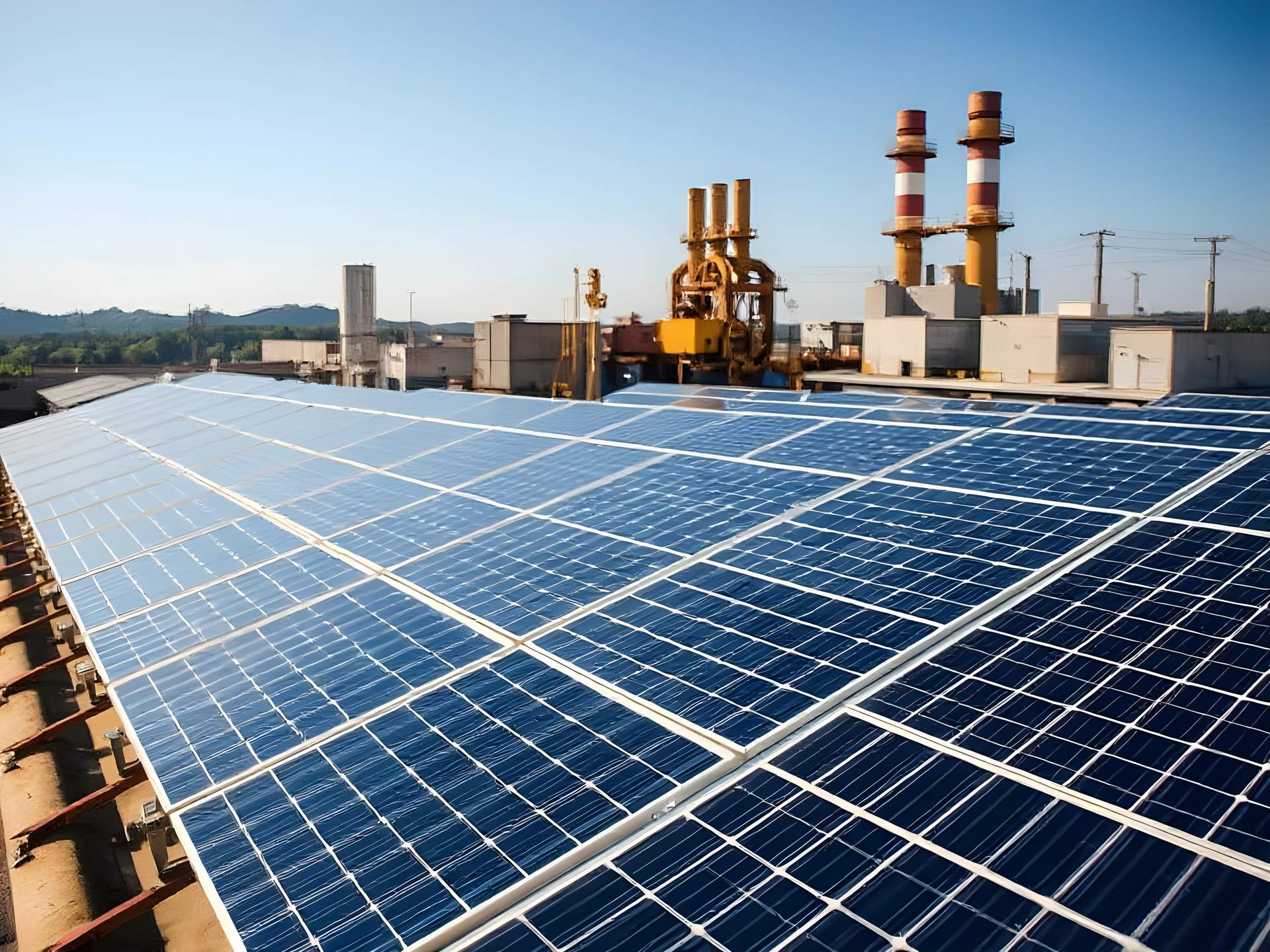
A Solar Rooftop refers to the installation of solar panels (solar cells) on the roofs of buildings or factories to convert solar energy into electrical power for use within the premises. This reduces reliance on external energy sources, lowers operating costs, and supports the use of clean energy.
Solar Energy and the Industrial Sector
Renewable energy, such as solar power, has become a key factor in the development of the industrial sector both in Thailand and globally. Thailand is accelerating its push toward achieving Carbon Neutrality by 2050 and Net-Zero Emissions by 2065, in order to promote clean energy and reduce carbon emissions. These goals serve as major drivers encouraging industries to increasingly adopt solar systems.
Solar energy accounted for more than three-quarters of newly installed renewable energy capacity worldwide in 2024. According to data from the IEA, global solar installations reached 553 GW in 2024, representing approximately 30% year-on-year (YoY) growth.
The adoption of solar energy in Thailand is also expanding rapidly. The Thai solar market is growing at a compound annual growth rate (CAGR) of over 13%, and total installed capacity is expected to reach 7 GW by 2030 (source: Mordor Intelligence). This reflects strong opportunities for entrepreneurs and investors to expand clean energy investments while gaining strategic advantages within the industrial sector.
Types of Solar Rooftop
Solar Rooftop installations should be selected based on their suitability for usage requirements. Currently, Solar Rooftop systems can be categorized into three types, as follows:
Solar Rooftop – On-Grid System
This system does not store energy for use during periods without sunlight. The On-Grid System operates by connecting electricity generated from solar panels in parallel with the utility grid. Therefore, if solar power generation is insufficient, the system will automatically draw electricity from the grid.
Solar Rooftop – Off-Grid System
The Off-Grid System operates independently without relying on electricity from the utility grid. It is commonly installed in remote areas. This system requires energy storage in the form of batteries to enhance electrical stability.
Solar Rooftop – Hybrid System
The Hybrid System combines the advantages of both On-Grid and Off-Grid systems. It operates as an On-Grid System during daylight hours and switches to Off-Grid operation by using backup battery power at night or during periods without sunlight.
Benefits of Installing Solar Rooftops in the Industrial Sector
Today, many organizations are increasingly adopting Solar Rooftop systems as they are well suited to environmental conditions. The use of Solar Rooftop offers several advantages, including:
- Helping to reduce long-term operating costs. Industrial facilities can lower electricity expenses by up to 25% through the installation of Solar Rooftop systems, compared to relying solely on conventional grid electricity
- Reducing the risk associated with future electricity price increases
- Reducing dependence on external energy sources, enhancing energy security for businesses, with the ability to store energy for later use
- Increasing property value, as buildings equipped with Solar Rooftop systems may command higher prices in the future
- Reducing greenhouse gas emissions and pollution, while enhancing a positive business image in terms of environmental responsibility (CSR)
Steps for Installing Solar Rooftop on a Factory
- Assess the site and building suitability
Inspect the building structure to ensure it can support the weight of the solar panels. This includes evaluating the direction of sunlight and the available installation space to maximize energy generation. - System design and capacity calculation
Design the system and calculate the appropriate power generation capacity in alignment with the factory’s energy consumption. Select high-standard, high-efficiency solar panels and inverters. - Prepare documentation and obtain approvals from relevant authorities
In cases where structural modifications or factory extensions are required, installers must submit a new construction permit (Form Aor.1) to the relevant authorities. Supporting documents must be prepared, such as factory structural plans and electrical drawings designed and certified by a licensed electrical engineer. - Install the system by a team of qualified engineers
Installation should be carried out by licensed engineers to ensure safety and optimal system performance. - System testing and quality inspection
After installation, thorough testing should be conducted to verify system functionality and safety, and quality certification documents should be issued prior to operation. - Official system commissioning
Once all inspections are complete, the factory can officially begin using the Solar Rooftop system for energy generation.
At 304 Industrial Park, we provide end-to-end solar installation services for industries of all sizes, delivered by experienced engineering teams – guaranteeing safety, efficiency, and long-term value for your business.
Reasons Why Factories Should Install Solar Rooftop
Installing a Solar Rooftop system offers many benefits for businesses. It effectively reduces energy costs, delivers long-term value, and enables businesses to achieve a faster return on investment within 5–7 years. It also helps reduce risks associated with future electricity price volatility.
In addition, the use of solar energy – which is a clean energy source – enhances an organization’s image in terms of social and environmental responsibility. This is an increasingly important factor for both customers and investors today.
Solar Rooftop at 304 Industrial Park
304 Industrial Park offers supplementary solar installation services, including rooftop solar, ground-mounted solar farms, and floating solar farms, with a strong focus on promoting clean energy use within the industrial sector. We provide comprehensive solar energy solutions backed by over 10 years of experience in electrical engineering systems and more than 3 years of solar system management, ensuring quality in line with international standards.
One of our key projects is a floating solar power installation with a generation capacity of 157 MW, located on the largest private industrial reservoir in Thailand. The project is ready to supply electricity to businesses within the area and is supported by a full range of services for industrial clients, including:
- Consultation on applying for BOI investment promotion
- Assistance with land ownership permits
- Support in obtaining factory operation licenses
- Company registration and customs clearance for machinery and services
- Assistance with work permit applications for foreign nationals
- and Complimentary legal consultation services
304 Industrial Park is ready to support you in every aspect, operating under sustainability-driven principles with a strong focus on clean energy and environmental friendliness, while welcoming the industrial investors of the future.
Related News & Media

304 Industrial Park
Creating a future-ready ecosystem for businesses, with green energy, complete facilities, and global connectivity.
Contact Us